Physical Address
304 North Cardinal St.
Dorchester Center, MA 02124
Physical Address
304 North Cardinal St.
Dorchester Center, MA 02124

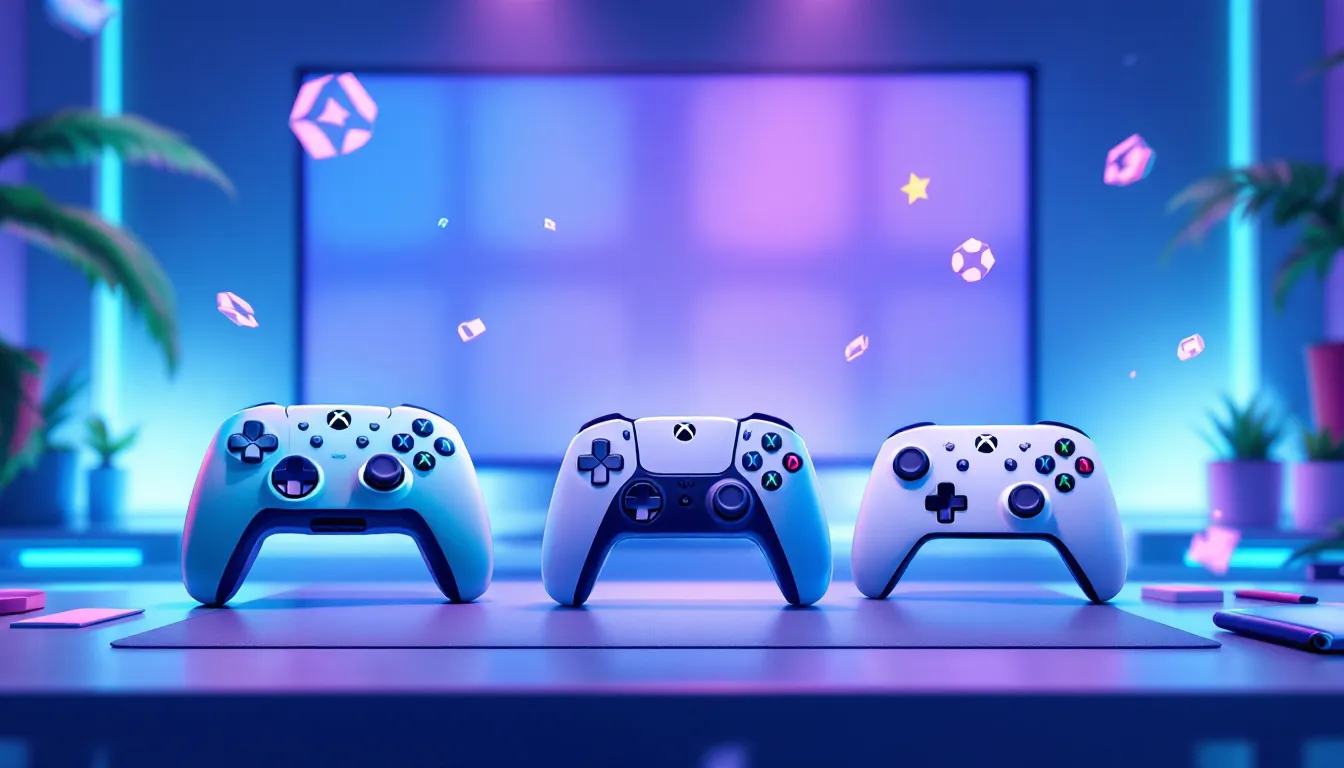
Gaming controller cartoons have become a staple in how the gaming industry communicates with its audience. From promotional artwork to streaming overlays and merchandise designs, these illustrated renditions of our favorite peripherals capture the essence of gaming culture in a way that resonates with both casual players and hardcore enthusiasts. Whether it’s a chibi-style DualSense controller or a minimalist Xbox gamepad illustration, these cartoon representations have evolved far beyond simple graphics, they’re now integral to brand identity, community engagement, and creative expression within the gaming space. If you’ve ever wondered why certain controller designs look so appealing in cartoon form, or how artists approach creating these digital illustrations, you’re in the right place. This guide dives deep into the world of gaming controller cartoons, exploring the art styles that define the medium, the tools professionals use, and how these designs shape gaming culture in 2026.
A gaming controller cartoon is an illustrated or digitally rendered representation of a video game controller, reimagined through an artistic lens. Unlike technical product photography, these cartoons apply stylistic choices, whether cute, minimalist, or hyper-detailed, to transform a piece of gaming hardware into a character or focal point of visual interest.
These illustrations serve multiple purposes across the gaming industry. Developers use them in marketing materials to evoke nostalgia or excitement. Streamers and content creators incorporate them into overlays and branding. Fan artists create their own interpretations, building communities around shared passion for specific consoles or peripherals. The beauty of controller cartoons lies in their versatility: the same PlayStation 5 DualSense can look adorable in chibi form, sleek in minimalist design, or intensely realistic with shadow and reflection techniques.
What makes a gaming controller cartoon effective is how it captures the emotional connection players have with their hardware. A controller isn’t just a tool, it’s an extension of a gamer’s identity. When rendered as a cartoon, it becomes a symbol, a mascot, a piece of art that tells a story about gaming itself.
The journey of gaming controller cartoons mirrors the evolution of gaming technology itself. In the 8-bit and 16-bit eras, controllers were depicted as tiny pixelated objects in promotional art and game menus. These representations were simple out of necessity, artists worked within severe technical constraints, using limited color palettes and resolution to convey the shape and buttons of devices like the NES controller or Genesis gamepad.
As technology advanced through the 3D revolution of the late 1990s and 2000s, so did the sophistication of controller illustrations. Games began featuring detailed 3D models of controllers in-game, promotional artwork became more complex, and fan art started exploring realistic textures and lighting. By the 2010s, digital illustration tools became accessible enough that artists could create hyper-detailed cartoon renderings that balanced stylization with photorealism.
Today in 2026, controller cartoons span the entire spectrum. Some artists push toward maximalist approaches with intricate shading and environmental details. Others strip everything down to essential lines and flat colors. This range exists because the tools, from Procreate on iPad to Clip Studio Paint on PC, empower artists to work at any level of complexity they choose. The pixel-to-3D-to-cartoon evolution isn’t linear: it’s cyclical, with retro pixel art experiencing a resurgence alongside cutting-edge rendering techniques.
Certain controllers have become iconic in gaming art history, largely due to how recognizable their shapes are. The Nintendo 64 controller, with its distinctive three-pronged design and colorful button layout, has been a favorite subject for illustrators. Its unusual shape lends itself well to cartoonish exaggeration, artists stretch it, anthropomorphize it, or place it in surreal scenarios that celebrate its uniqueness.
The PlayStation DualShock series has evolved visually across generations, and this progression is reflected in how it appears in cartoon form. The original rounded design from the late 1990s carries retro appeal, while modern DualSense controllers with their glossy white finish and haptic feedback mechanics inspire sleeker, more futuristic interpretations.
Xbox controllers have maintained their core button layout while subtly shifting in aesthetic. The addition of the Share button on newer models, refined trigger mechanisms, and the shift toward more ergonomic shapes all show up in contemporary cartoon depictions. Fans and artists respond to these hardware changes by updating their stylistic approaches, ensuring that controller cartoons stay relevant to the hardware they represent.
The Steam Deck and other portable gaming devices have recently entered the cartoon art space as newer subjects. These represent the next frontier for controller artists, devices that blur the line between a traditional controller and a full gaming system, forcing illustrators to rethink composition and detail emphasis.
Chibi style, characterized by oversized heads, large expressive eyes, and exaggerated proportions, has become incredibly popular for gaming controller cartoons. The style originated from anime and manga but found a natural home in gaming due to its inherent charm and ability to make mechanical objects feel alive and relatable.
When a DualSense controller is rendered in chibi style, artists often add facial features directly onto the controller’s surface. The analog sticks become eyes, the trackpad becomes a mouth, and the controller gains personality instantly. This approach works brilliantly for merchandise, t-shirts, plushies, and stickers featuring chibi controller designs sell well because they appeal to the emotional side of gaming fandom rather than the technical side.
The cute aesthetic also extends to color choices and added elements. Pastel color palettes, tiny hands or feet, and adorable expressions make the controllers feel non-threatening and approachable. This style resonates especially with casual gamers, younger audiences, and communities that celebrate the wholesome side of gaming culture.
Minimalism represents the opposite end of the spectrum, but it’s equally effective for controller cartoons. This approach strips away unnecessary details, reducing a controller to its essential geometric shapes and fundamental button layout. The result is clean, modern, and highly readable, perfect for app icons, UI elements, and sleek marketing materials.
Flat design specifically removes depth, shadows, and gradients, opting instead for solid colors and bold outlines. An Xbox Series X controller rendered in flat design becomes a series of intersecting shapes: the d-pad, buttons, and grips reduced to their purest forms. This style became mainstream through tech company branding (think Apple’s design philosophy) and has since dominated corporate gaming communication.
Minimalist controller cartoons age incredibly well. They don’t rely on rendering trends or specific color grading techniques that may feel dated in five years. A flat-design Nintendo Pro Controller illustrated today will look just as contemporary in 2030 because the style isn’t dependent on technical flourishes. For developers building long-term brand identity, this approach offers longevity.
On the maximalist end, hyperrealistic controller cartoons push the boundaries of digital illustration. These pieces capture every texture detail, the rubbery feel of analog stick grips, the matte finish of modern controllers, the shine of glossy buttons, and the subtle wear patterns on well-used devices.
Hyper-detailed illustrations often incorporate environmental storytelling. A controller might be photographed in a gaming setup with RGB lighting, surrounded by gaming peripherals, or suspended against a dramatic background that emphasizes its mechanical beauty. These pieces blur the line between traditional illustration and digital photography, using techniques like subsurface scattering (which simulates how light passes through translucent materials) and complex layer blending.
This style requires significant technical skill and time investment, which is why hyper-detailed controller cartoons typically appear in premium marketing materials, collectible poster designs, and high-end merchandise. The level of craftsmanship visible in these pieces justifies higher prices and appeals to serious collectors who appreciate artistry alongside their gaming passion.
Game developers recognize that controller cartoons serve as instant brand recognition tools. When PlayStation promotes a new console, their marketing materials feature the DualSense rendered in ways that emphasize innovation, glowing elements, dynamic angles, and color combinations that match the brand’s visual language. The controller becomes inseparable from the console’s identity.
This branding approach extends beyond launch materials. Throughout a console’s lifecycle, consistent stylistic choices in how a controller is illustrated reinforce brand cohesion. A company might develop a specific “house style” for rendering controllers, particular lighting approaches, color palettes, or artistic flourishes, that fans begin to recognize and associate with that brand.
Indies and smaller studios leverage controller cartoons differently. Without the budget for photorealistic rendering, many indie developers commission unique cartoon-style controller artwork that sets their games apart visually. A roguelike might feature a cartoonified controller as part of its UI, or a puzzle game might use a stylized gamepad in promotional artwork. These choices demonstrate personality and help games stand out in crowded digital storefronts.
Some of gaming’s most thriving communities center around fan art and custom controller designs. Artists create cartoon interpretations of controllers that celebrate specific games, franchises, or gaming moments. A Zelda fan might commission a custom Nintendo Pro Controller illustrated in a style matching Breath of the Wild’s art direction. These custom designs build community identity and give fans tangible ways to express their gaming preferences.
Developer-endorsed fan art programs amplify this engagement. Companies like Nintendo and Sony actively share fan-created controller cartoons on official social media channels, giving artists exposure and reinforcing that the community’s creative contributions are valued. This two-way relationship between developers and fan artists strengthens emotional bonds to both the hardware and the gaming ecosystem.
Merchandise also drives community engagement. T-shirts, hoodies, and stickers featuring cartoon controllers designed by community members generate revenue while celebrating the people who create them. Some fan artists have transitioned to professional careers through this visibility, turning passion into livelihood.
Creating controller cartoons requires digital illustration software. For iPad users, Procreate remains the industry standard due to its intuitive interface and powerful brush engine. PC users often choose Clip Studio Paint, which excels at both illustration and comic art, or Photoshop for more versatile general-purpose work.
Free alternatives exist if you’re starting out. Krita is a robust open-source option available on Windows, Mac, and Linux. Paint.NET offers surprising capability for its price point. GIMP provides Photoshop-adjacent features without the subscription cost. None of these limit your ability to create quality controller cartoons, the limiting factor is always skill development, not software choice.
Beyond the core illustration tool, you’ll benefit from a reference library. Collect high-quality images of actual controllers from multiple angles. Digital art relies heavily on understanding how light interacts with physical surfaces, and studying real controllers helps you replicate those interactions authentically. For stylized work, study existing fan art across different art styles to understand how professionals approach proportions and detail emphasis.
A drawing tablet or stylus elevates the experience significantly. The responsiveness of modern tablets, whether Wacom, iPad Pro, or mid-range alternatives referenced on How-To Geek for gaming gear comparisons, makes precision work dramatically easier than using a mouse. If budget is tight, start with what you have, but expect that upgrading to a proper input device will accelerate your learning curve.
1. Sketch the Foundation
Start with light construction lines that establish the controller’s basic shape. Don’t commit to details yet, rough out proportions, button placement, and overall composition. This stage is about blocking in the general form and checking that your angles and perspective feel right.
2. Refine the Outline
Once proportions feel solid, establish the controller’s silhouette with clean, confident lines. This is where artistic style begins emerging. A minimalist approach means precise, simple lines. A chibi approach might involve softer curves and exaggeration. A realistic approach demands careful attention to actual controller proportions.
3. Define Button and Feature Details
Layer in the specific elements that make a controller recognizable: the button layout, analog sticks, shoulder buttons, and any distinctive features of that particular model. Pay attention to spacing and alignment, buttons that aren’t properly positioned will look “off” to viewers who know the actual hardware.
4. Apply Color and Value
Color choices dramatically affect mood and style. Chibi designs often use bold, saturated colors. Minimalist designs might use restricted palettes (two to three colors plus black and white). Realistic designs should closely match actual controller colors but can be adjusted for artistic effect or fantasy interpretations.
Value (darkness and lightness) sells the three-dimensionality. Even in flat design, subtle shifts in value can suggest depth without adding actual shadows. In realistic work, spend time studying how light falls across curved controller surfaces.
5. Add Shading and Texture (Style-Dependent)
Minimalist designs might skip this entirely. Realistic designs require careful attention to material properties. A rubber grip feels different from a glossy button, reflected light behaves differently. If you’re going detailed, study reference images of actual controllers in various lighting conditions.
6. Final Details and Polish
Step back and assess what’s missing. Small details, wear patterns, fingerprints on glossy surfaces, cable coiling, or environmental elements, can elevate the work from good to exceptional. Sometimes, though, less is more, and adding every possible detail muddles the composition.
Ignoring Button Accuracy: Players instantly notice if buttons are in wrong positions or the wrong shapes. Even stylized work should maintain button logic, an Xbox controller has the same general layout whether drawn realistically or abstractly.
Overcomplicating Simple Designs: Beginners often add unnecessary details hoping to showcase skill. Minimalist controllers are effective because they strip away excess. Adding gratuitous shading or effects to a flat design contradicts its purpose. Know when to stop.
Poor Perspective on Angled Views: Controllers have curved surfaces and distinct three-dimensional forms. If you’re drawing from an angled perspective, ensure the geometry stays consistent. The controller should feel like a solid object, not a flat picture you’ve tilted.
Color Palette Confusion: Decide upfront whether you’re going for realistic colors, stylized fantasy colors, or a specific artistic direction. Random color choices, making a blue DualSense randomly when referencing a white one, creates visual inconsistency unless intentional.
Neglecting Reference Material: Don’t rely solely on memory. Constantly compare your work against actual controller references. This habit prevents cumulative errors from compounding as you build details.
Inconsistent Lighting: If you’re adding shadows and highlights, commit to a light direction. Light from above creates different shadow patterns than light from the side. Inconsistent lighting makes objects look unconvincing.
PlayStation controllers have unique aesthetic qualities that show up distinctly in cartoon work. The DualSense features a distinctive two-tone color scheme (white body with black accents), curved trigger buttons, and a prominent touchpad. Artists emphasize these features, the white can be rendered with subtle blue or purple highlights, the triggers become expressive shapes, and the touchpad often becomes a focal point of the design. Anime-influenced art styles pair naturally with PlayStation controllers, perhaps because Sony’s marketing has always leaned into sleek, futuristic aesthetics.
Xbox controllers remain straightforward and symmetrical, which actually works beautifully in cartoon form. The button layout is traditional, the grips are ergonomic and subtly curved, and newer models feature slightly beveled edges that add visual interest without complexity. Xbox’s marketing embraces bold colors and dynamic compositions, and fan artists follow suit with controller designs that emphasize action and movement.
Nintendo controllers offer the most stylistic variety in cartoon form. The Nintendo 64 controller with its three-pronged design invites surreal and playful interpretations, artists give it personality, anthropomorphize it, or place it in absurd scenarios. The GameCube controller becomes retro and nostalgic, often rendered in its classic purple or other variant colors. The Joy-Cons split design opens possibilities for symmetrical or asymmetrical compositions. The Nintendo Switch Pro Controller slots into minimalist and flat design approaches exceptionally well due to its clean lines.
PC gaming peripherals represent a newer frontier for controller cartoon art. Mechanical keyboards with RGB backlighting, gaming mice with customizable buttons, and headsets with intricate microphone arms all make compelling cartoon subjects. These peripherals often receive more stylistic freedom than console controllers because there’s less brand-established visual language around how they “should” look cartoonified.
PC setup cartoons often present entire rigs rather than single peripherals. Artists render gaming desks with multiple devices, RGB lighting glowing against dark backgrounds, and cables neatly (or chaotically) arranged. ProSettings offers comprehensive setup guides that showcase professional gaming peripherals, and many fan artists create cartoon versions celebrating their favorite pro player setups.
The aesthetic differences between PC and console controller cartoons reflect their platforms. Console controllers tend toward sleekness, stability, and recognizable brand identities. PC peripherals get rendered with more technical detail, individual mechanical switches in keyboards, sensor descriptions in mice, and microphone specifications in headsets. This reflects PC gaming culture’s emphasis on customization and technical knowledge. A cartoon mechanical keyboard might include visible switch types or RGB profiles, details that console cartoon equivalents wouldn’t typically include.
Gaming controller cartoons have transcended their original purpose as marketing materials. They’ve become genuine cultural artifacts that represent gaming identity and community belonging.
Merchandise featuring cartoon controllers generates significant revenue while building brand loyalty. T-shirts depicting chibi-style DualSense controllers sell because they’re cute, recognizable, and let gamers wear their passion publicly. Limited-edition prints featuring realistic controller illustrations command premium prices from collectors. Plushies of anthropomorphized gaming pads become decorative statement pieces in streamers’ setups, visible during broadcasts to hundreds of thousands of viewers.
Streaming culture has amplified the visibility of controller cartoons. Streamers commission custom overlay graphics featuring cartoon controllers in their personal art styles. These overlays become part of the streamer’s visual brand, viewers recognize the streamers partly through their unique controller artwork. Some overlays cost hundreds of dollars to commission, reflecting how valuable visual identity has become in content creation.
Esports organizations lean heavily on controller cartoons for team branding. A professional League of Legends or Valorant team might commission controller artwork matching their team colors and logo design. These cartoons appear in social media, merchandise, and broadcast graphics, reinforcing team identity and creating shareable content that builds fan communities.
Gaming conventions feature entire vendor booths dedicated to controller-inspired art. Comic-Con, PAX, and gaming-specific conventions see artists selling original prints and accepting commissions for custom controller cartoon work. The demand reflects genuine appreciation for this art form beyond its utility, people collect controller cartoons the way they collect gaming memorabilia.
The democratization of art tools has meant that literally anyone can create and share controller cartoons. Fan artists on platforms like Twitter, Instagram, and TikTok accumulate massive followings by consistently creating quality controller art. Some breakthrough into professional careers, working with indie studios or joining larger development teams specifically for their art skills. Others maintain it as passionate hobby work that builds community and earns side income through commissions and merchandise sales.
Console manufacturers have recognized this cultural importance. They now directly commission fan artists to create official controller artwork, legitimizing fan creativity as part of the brand ecosystem. This symbiotic relationship, where companies support artists who amplify their products through art, strengthens gaming culture overall. PCMag’s coverage of gaming peripherals documents how design influences cultural perception, and controller cartoons represent that intersection of industrial design and community expression perfectly.
The longevity of controller cartoon popularity suggests this isn’t a fleeting trend. As long as people play games with controllers, they’ll create art celebrating those controllers. The specific art styles will evolve, what’s trendy in 2026 will feel dated in 2030, but the fundamental appeal remains: controllers are tools of joy, and cartoons are how we celebrate things we love.
Gaming controller cartoons represent more than just stylized drawings of gaming hardware. They’re expressions of gaming identity, bridges between technical and emotional connections to gaming, and increasingly important tools in how the industry communicates with audiences. From chibi designs that make controllers adorable to hyperrealistic renders that celebrate mechanical beauty, the artistic approaches available to illustrators continue expanding.
The evolution from pixel art representations through modern 3D rendering shows how gaming culture matures while maintaining appreciation for its roots. Today’s artists work with unprecedented creative freedom and technical capability, allowing them to push boundaries in ways previous generations couldn’t imagine.
Whether you’re a creator looking to develop your controller cartoon skills, a company seeking to strengthen brand identity, or simply someone who appreciates gaming art, understanding these design trends and techniques deepens appreciation for the work involved. The gaming industry’s visual language becomes richer when we recognize and celebrate the artists who help shape how we see our beloved controllers and the gaming culture they represent.
