Physical Address
304 North Cardinal St.
Dorchester Center, MA 02124
Physical Address
304 North Cardinal St.
Dorchester Center, MA 02124

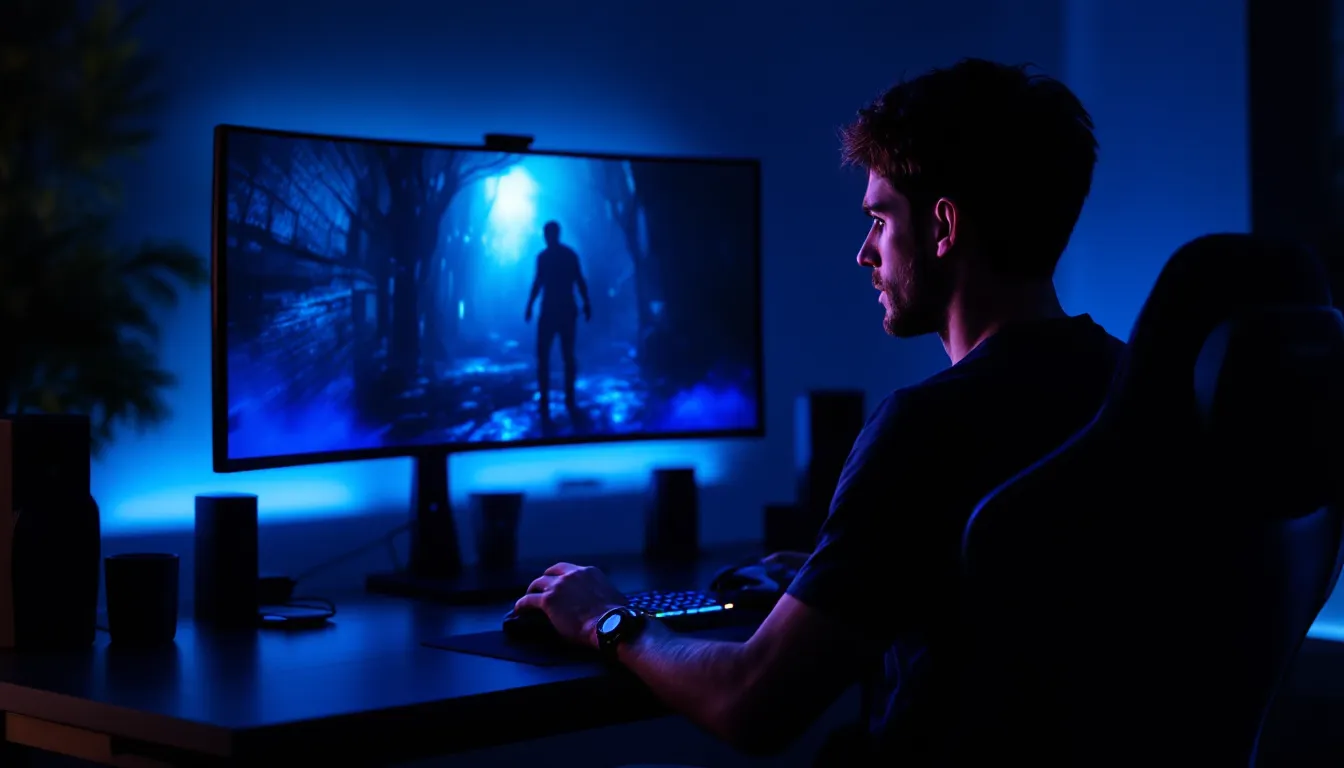
Game Pass has quietly become one of the best ways to experience horror games without breaking your budget. With a constantly rotating library of titles ranging from psychological head-scratchers to full-blown survival nightmares, there’s something to terrify every type of gamer. Whether you’re chasing atmospheric dread or straight-up jump scares, the platform offers an impressive catalog that rivals dedicated horror game collections. This guide covers the best horror games on Game Pass right now, breaking down what makes each worth your time and how to find the perfect scare level for your nerves.
Horror games are tailor-made for Game Pass subscriptions, and the numbers prove it. These titles often demand high engagement over shorter play sessions, perfect for subscribers who want to dip in and out without committing to a 100-hour RPG. The genre thrives on replayability and discovery: once you’ve experienced the main campaign, New Game+ modes or branching storylines keep you invested.
Game Pass horror offerings span wildly different styles, which means subscription value stretches further. One month you might play a narrative-driven psychological thriller, the next a resource-management survival experience. You’re not locked into picking just one game, you can sample a variety without the $60+ per-title price tag that typically guards AAA horror releases.
Microsoft has also been strategic about licensing. The platform includes exclusive partnerships with independent horror studios, meaning some of the most innovative scares you’ll find are exclusive or day-one launches on Game Pass. This approach keeps the library fresh and gives subscribers early access to cult classics before they blow up elsewhere.
Another advantage: horror games on Game Pass tend to have shorter average playtimes than other genres. A psychological horror title might take 5–8 hours: a survival experience might stretch to 15–20. That’s more digestible for most people and reduces the guilt of jumping between titles. For casual players or those easily spooked, you can finish a game in a weekend and move on before the nightmares set in.
Psychological horror strips away gore and jump scares in favor of mind-bending narratives and atmosphere so thick you can feel it. These games win through uncertainty and suggestion rather than explicit horror, your imagination becomes the antagonist.
Layers of Fear remains one of the strongest entries in atmospheric horror on the platform. Players navigate a painter’s mansion as reality slowly warps around them. The game doesn’t rely on combat or threats, instead, it pulls you through psychological unraveling where doors lead to impossible spaces and paintings hide dark family secrets. The sound design is surgical: creaks, whispers, and silence that builds dread far better than any jump scare.
Alan Wake 2 elevated psychological horror to blockbuster status. This one walks the line between survival and pure psychological torture. You’re trapped in a twisted version of a Pacific Northwest town where the boundary between the real world and a dark manuscript blurs. The dual-perspective narrative keeps you off-balance, just when you think you understand what’s happening, the game flips the script. Available across Xbox and PC through Game Pass, it’s a masterclass in environmental storytelling.
What Remains of Edith Finch approaches horror from a different angle, existential dread rather than supernatural threats. This walking simulator explores death and memory through a single family’s history. It’s quieter, more introspective, but absolutely devastating. If you want horror that hits emotionally rather than viscerally, this is essential.
The Forgotten City combines time-loop mechanics with ancient Roman mystery. You’re stuck in a cursed underground city where one murder will cause everyone to turn to gold. The narrative branches wildly based on your choices, and restarting the loop reveals new dialogue and alternate storylines. It’s more detective-puzzle than traditional horror, but the atmosphere suffocates with dread. Recent Game Pass updates have made titles like this easier to discover through improved curation.
Twelve Minutes locks you in an apartment for a time loop lasting exactly twelve minutes. A home invasion, a mysterious briefcase, and a partner who acts like you should already know what’s happening. The mind-game aspect comes from piecing together what’s real and what’s gaslighting. The game respects player intelligence, it won’t spoon-feed you answers, and the payoff for solving it is genuinely clever.
Oxenfree is technically supernatural teen mystery rather than straight horror, but its atmosphere radiates unease. You accidentally open a ghostly frequency on a handheld radio while hanging with friends on an island. The dialogue system lets you interrupt conversations naturally, creating an organic feel to the voice acting that most games fumble. The beach-at-night setting becomes increasingly sinister as the game progresses.
Survival horror kicks things up by introducing external threats, creatures, infected, or hostile humans. You’re not just scared: you’re actively fighting or hiding to stay alive. This creates a different tension than psychological horror: resource anxiety combines with moment-to-moment survival threat.
Dead Space Remake is the current gold standard for combat-heavy survival horror. The 2023 rebuild modernizes the original while keeping the core loop intact: manage limited ammunition, dismember necromorphs strategically, and solve environmental puzzles under constant pressure. The zero-gravity combat sections remain genuinely unsettling. Purists appreciated that the remake didn’t milk jump scares, instead, it creates horror through isolation and the grotesque design of enemies themselves.
Resident Evil 4 Remake landed on Game Pass and immediately became essential. The original was already legendary: the remake sharpens the knife further with modernized controls and updated encounters that actually threaten veteran players. The shotgun-zombie standoffs are still incredible, and the pacing between quiet exploration and combat ambushes remains perfectly calibrated.
Evil Resident 2 Remake, similarly, brings the classic up to current-gen standards. Tight corridors, limited ammo, and the constant threat of tyrants or lickers around corners. These games respect your fear, they don’t trivialize it through power fantasy.
Grounded flips survival horror by making you small. You’re a kid shrunk to insect size in a suburban backyard, and spiders become apex predators. The game demands resource gathering, base building, and careful exploration. Horror comes from both genuine creature design and the vulnerability of being tiny in a normal world that becomes alien. Multiplayer up to four players means you can share the fear, or laugh at your friends screaming when a wolf spider appears.
A Plague Tale: Innocence combines stealth mechanics with resource scarcity. You’re guiding a group of children through a medieval landscape overrun with flesh-eating rats. Ammo is precious, direct combat rarely works, and you’ll spend most of the game sneaking or diverting rat swarms using fire or light. The atmosphere is oppressive, diseased, rat-infested villages and the constant sound of thousands of squeaking rodents create dread that never lets up.
Deceit takes the resource management angle into multiplayer territory. Up to six players survive in an abandoned facility where one player is secretly infected and turning into a monster. You’re managing health, ammunition, and trust, all while never quite knowing who to believe. It’s less pure horror and more paranoia-thriller, but the survival element keeps tension high.
Indie developers have been pushing horror into weird, wonderful directions that AAA studios often skip. With lower budgets and fewer publisher constraints, they take more conceptual risks. Some have become cult classics that rival anything from major studios.
Amnesia: The Dark Descent redefined indie horror when it launched. It’s still on Game Pass, and it still holds up. You’re locked in an amnesiac descent through a gothic castle with zero combat options, you can only hide. The sanity mechanic means the longer you’re exposed to horror, the less reliable your perception becomes. Some of the scariest sequences happen not because something jumps at you, but because the game convinces you that you’re losing your mind.
Bendy and the Ink Machine started as a short indie title and became a full episodic experience. The art deco cartoon aesthetic gives way to twisted, grotesque versions of classic characters. It’s horror that comes from corruption of innocence, characters you’d normally find comforting become deeply unsettling. Puzzle-solving mixed with exploration keeps the pacing brisk.
Superliminal approaches horror through perspective manipulation. The puzzles involve moving objects between foreground and background to create optical illusions that solve problems. The narrative is haunting, you’re in a sleep clinic where nothing quite makes sense. It’s more unsettling than explicitly scary, which is exactly the point.
Little Nightmares series became an indie phenomenon with its twisted puppet-world aesthetic. You’re a small child in a yellow raincoat navigating grotesque environments filled with bizarre creatures. The art direction is impeccable, every environment tells a story without dialogue. Six Hours later, the credits roll, but the imagery sticks with you far longer. According to recent gaming coverage, Xbox users particularly appreciated the platform’s curation of atmospheric indie titles like this.
The Quarry is a more recent addition that nails the summer camp slasher vibe. Ten teens, one catastrophic situation, and branching narrative paths that genuinely change who survives. The game doesn’t punish failure, bad choices lead to fun Bad Ends rather than forcing you to restart. It’s more interactive film than game, but the performances are strong enough to make you care about characters you met two hours ago.
Night in the Woods isn’t traditionally horror, but it carries an undercurrent of small-town dread. You’re a college dropout returning home to find your town rotting economically and spiritually. The mystery unfolds through dialogue and exploration, building toward a conspiracy that feels genuinely frightening in its mundanity. It’s horror that comes from recognizing systemic decay.
Not all horror is created equal, and your tolerance for scares varies depending on mood, time of day, and how much sleep you’ve already lost. Game Pass covers the full spectrum.
Resident Evil Village (Village of Shadows difficulty) is brutal. Ammunition is scarce enough to force you into melee encounters with werewolves. The duke will judge your spending with increasingly disappointed looks. Lady Dimitrescu became a meme, but the castle section is genuinely tense, you’re underpowered and hunted. The Dimitrescu daughter’s chase sequence remains one of gaming’s most effectively terrifying moments.
Outlast and Outlast 2 are exercises in pure vulnerability. You’re a journalist with only a camera and the ability to run. No combat, no real defense, just hiding and hoping. Outlast 2’s rural cult setting ratchets up the disturbing imagery beyond the first game. These aren’t for anyone who needs agency in horror, they’re interactive suffering, but if that appeals to you, they’re masterful.
Phasmophobia on PC turns ghost hunting into genuinely unsettling multiplayer horror. You and a team use EMF readers, thermometers, and ouija boards to identify ghost types in haunted locations. The randomization means you never know what you’re walking into. Friends screaming into their mics when a poltergeist throws objects around never gets old.
Control leans more sci-fi thriller than pure horror, but maintains an unsettling atmosphere. You’re exploring the Oldest House, a manifestation of thought become physical space. Enemies are creepy but not traditionally scary. The exploration and combat are satisfying enough that horror never overwhelms gameplay.
Pentiment is a medieval mystery game with folk-horror vibes and absolutely gorgeous art direction. The story unfolds like a whodunit, and while there are dark moments, nothing jumps out to scare you. If you want atmosphere without the adrenaline spikes, this is the answer.
A Short Hike isn’t horror at all, but it occupies the opposite end of the scare spectrum. It’s cozy exploration with zero threats. Sometimes the best palate cleanser after intense horror is something that explicitly won’t hurt you. Game Pass includes enough variety that you can rotate between genres without leaving the platform.
The variety on Game Pass is both a blessing and a curse, so many options that decision paralysis sets in. A few quick filters help narrow it down.
Check your sleep schedule first. Intense horror games like Outlast or Dead Space before bed guarantees a rough night. Save psychological horror for evening gaming where you can process it. Jump-scare heavy titles work better during daylight when ambient light provides comfort.
Consider your control needs. If you need to feel powerful or in control, lean toward combat-focused titles like Resident Evil. If you can accept helplessness, psychological and stealth-based horror becomes options. This distinction determines whether you’ll feel agency or pure dread.
Think about playtime budget. Psychological horror and indie titles often run 5–10 hours. Survival horror games stretch to 15–25 hours. If you want to finish within a week, plan accordingly.
Read the trigger warnings. Horror games approach disturbing content differently. Some lean into graphic violence, others focus on body horror, others explore psychological trauma. The Game Pass horror games category includes diverse approaches, check individual game descriptions before jumping in.
Try the first 30 minutes. Game Pass lets you test drive games. Spend 30 minutes with something and immediately know if the vibe matches your mood. No financial commitment means you can bail guilt-free if it’s not clicking.
Game Pass reaches PC, Xbox consoles, and cloud gaming, which means your horror game stays playable across devices. Platform availability matters when considering which titles to prioritize.
**Xbox Series X
|
S exclusivity** applies to several strong releases. Starfield has creepy space stations and cosmic horror elements mixed into its exploration. Forza Motorsport’s nighttime racing borrows horror atmosphere even though being fundamentally a racing game. These aren’t pure horror titles, but they contain unsettling moments.
Halo Infinite campaign sequences involving the Flood or Covenant horrors tap into survival horror sensibilities, especially on Legendary difficulty. The Banished Brutes become genuinely threatening when ammunition is limited.
Cross-platform availability means most major horror titles launch on both Xbox and PC day-one. Alan Wake 2, Dead Space Remake, and Resident Evil 4 Remake run on both, which gives you flexibility in how you play.
PC gets additional indie titles that sometimes skip console certification. Phasmophobia is primarily PC and plays best with mouse-and-keyboard controls for managing ghost-hunting equipment. Grounded supports M+K on PC with adjusted camera sensitivity and hotbar management that works better on desktop.
Graphics scaling on PC means you can dial horror atmosphere up or down. Dead Space Remake at max settings with ray tracing and high frame rates creates different pacing than playing it at 1080p 60fps. The tension shifts, higher fidelity and frame rates can reduce horror impact because the world feels slicker.
Mod support on select titles adds replay value. Some game pass horror games benefit from community mods that adjust difficulty, add new endings, or change encounters. This extends value beyond the base game experience.
Recent gaming articles have noted that PC Game Pass integration with Xbox Game Pass Ultimate means seamless library access across both platforms. You can start a horror game on console, continue on PC, and vice versa without repurchasing.
Maximizing horror experiences means respecting both the game design and your own psychological boundaries. A few habits transform good horror sessions into unforgettable ones.
Play in darkness or low light. This sounds obvious, but it dramatically changes horror impact. Bright overhead lights kill atmosphere, use a lamp positioned behind your monitor or TV. Your pupils dilate in darkness, making sudden visuals hit harder. Darkness also eliminates visual distractions that break immersion.
Use headphones. Horror lives in sound design. Subtle ambient noise, creaks, breathing, and silence itself become threatening through quality audio. Headphones force 3D positional audio into your ears, when a sound comes from behind in-game, your brain briefly believes it’s physically behind you. This is more effective than any visual scare.
Disable HUD elements when possible. On-screen minimaps, UI chrome, and objective markers break horror atmosphere. Most games let you toggle these off. Playing with minimal UI forces you to navigate by observation, which increases both immersion and anxiety.
Play solo for story-heavy games. Multiplayer horror (like Phasmophobia) becomes comedy through shared fear. Single-player psychological horror loses all impact if you’re watching a friend play while you sit on the couch. Take turns, don’t backseat game.
Pace yourself between titles. Playing three intense horror games back-to-back numbs you to fear. Rotate horror with other genres. A palate cleanser prevents desensitization and keeps individual horror experiences hitting harder.
Don’t skip cutscenes. Horror games earn jump scares and atmosphere through narrative buildup. Skipping story leaves you unprepared psychologically. The most effective scares in games like Resident Evil 4 happen because you’re emotionally invested in survival, not just dodging enemies.
Turn off notifications. Nothing kills horror immersion like a Discord ping or phone notification. Disable notifications entirely during horror sessions. The mental break shatters whatever dread the game built.
Microsoft continues expanding horror offerings throughout 2026. Announced titles give you future options to anticipate.
Persimmon is slated for Q2 arrival, bringing indie psychological horror with experimental narrative structure. Early previews suggest non-linear storytelling where your choices genuinely branch the narrative rather than creating illusions of choice.
The Outlast Trials multiplayer component expands asymmetrical horror, survivors versus hunters in experimental scenarios. If Phasmophobia scratches your multiplayer paranoia itch, this offers a different flavor.
Banishers: Ghosts of New Eden combines action-adventure with horror investigation mechanics. It’s not pure horror but adds creature encounters and spooky atmospheres worth monitoring.
Microsoft’s acquisition strategy means titles currently on PlayStation or Epic might migrate to Game Pass within 6–12 months. Watch announcements for horror titles that shifted availability.
Subscription fatigue hits when libraries feel stale, which is why horror works well, turnover keeps the genre feeling fresh. New indie horror launches monthly, and AAA releases rotate seasonally. The catalog never feels completely exhausted because indie developers continuously feed the system.
Game Pass transformed horror gaming from a niche studio’s playground into mainstream accessibility. The variety across psychological horror, survival horror, indie gems, and scare-intensity levels means every type of horror fan finds something worth playing. Whether you’re hunting atmospheric dread through castle corridors or hiding from werewolves in confined spaces, the platform delivers without forcing you to commit $60 per game.
The key to getting the most out of horror games on game pass is matching game selection to your current mood and sleep schedule, respecting the atmospheric design with proper audio and lighting, and allowing yourself to feel the fear rather than rushing through. Horror is the only genre where vulnerability becomes the selling point, embrace it.
Start with titles matching your current scare tolerance, rotate between genres to avoid desensitization, and know that you’re never more than a few clicks away from discovering something that fundamentally unsettles you. That’s not a bug in Game Pass’s horror library, it’s the entire point.