Physical Address
304 North Cardinal St.
Dorchester Center, MA 02124
Physical Address
304 North Cardinal St.
Dorchester Center, MA 02124

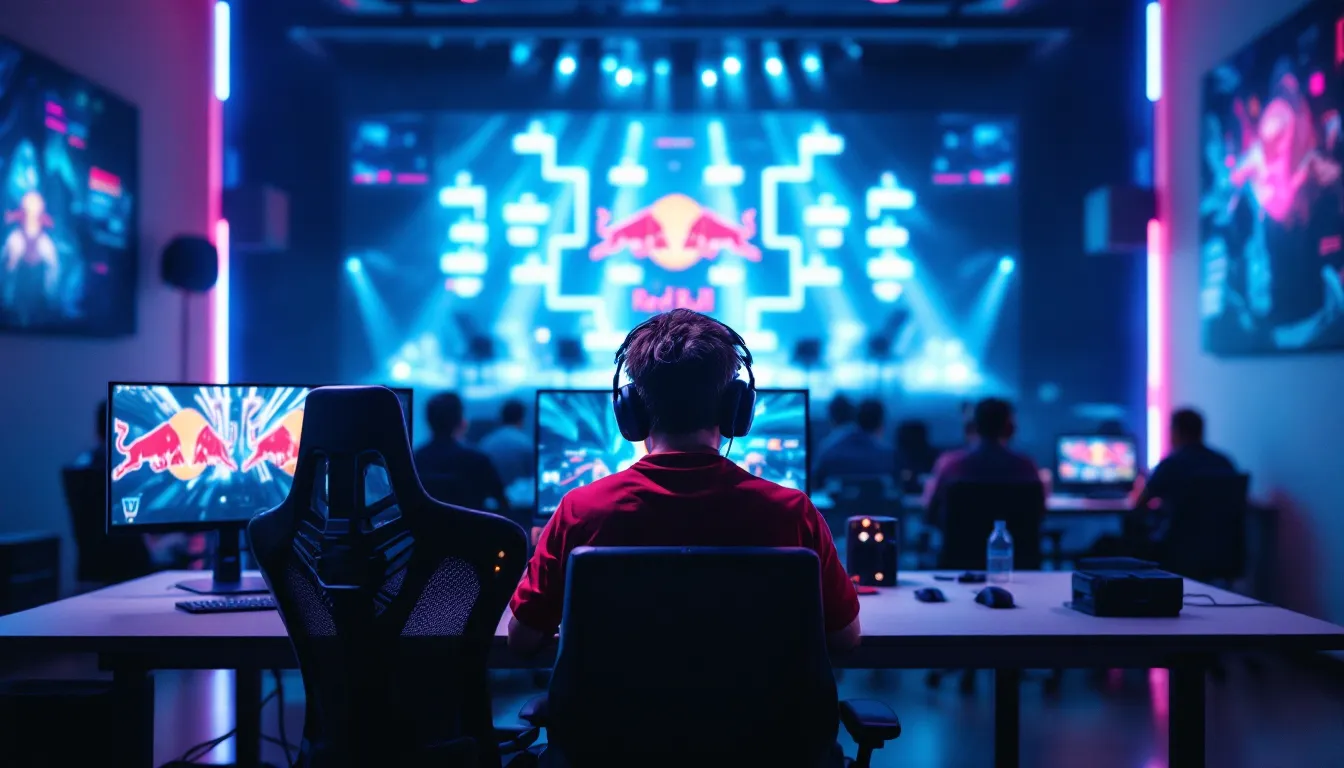
Red Bull Esports has become synonymous with competitive gaming, the brand you see splashed across team jerseys, streamer setups, and tournament broadcasts. But how did an energy drink company become one of the most influential forces in esports? The answer isn’t just about throwing money at teams. Red Bull built a comprehensive ecosystem that spans multiple games, regions, and content platforms, creating a model that has fundamentally shaped how sponsors operate in gaming. Whether you’re a casual viewer catching esports on Twitch or a competitive player following your favorite pro roster, Red Bull’s fingerprints are on the scene. This guide breaks down what Red Bull Esports actually is, how it got here, and why it matters for the gaming community in 2026.
Red Bull Esports is the competitive gaming division of Red Bull, the Austrian beverage company famous for extreme sports sponsorships. But Red Bull Esports is more than just a sponsor slapping logos on jerseys, it’s an integrated platform that funds teams, organizes tournaments, produces content, and develops player careers across dozens of games.
The org operates across multiple tiers. At the pro level, Red Bull backs franchised teams and individual players in major titles. Below that, they run grassroots programs, youth academies, and regional competitions. They also invest heavily in content creation, supporting streamers and producing tournament broadcasts that reach millions of viewers.
What sets Red Bull apart from other sponsors is the scale and diversity of their involvement. They’re not tied to a single game or region. A typical portfolio includes teams in League of Legends, CS2, VALORANT, fighting games, and racing esports. This multi-game approach lets Red Bull maintain relevance even when the competitive landscape shifts, if one title drops in popularity, their presence in others keeps them visible.
Red Bull’s esports strategy is fundamentally different from traditional sponsors. They’re not just buying naming rights: they’re building infrastructure. Think of them as a bridge between casual gaming culture and mainstream legitimacy. When a pro player signs with a Red Bull team, they’re getting more than a salary, they’re getting access to event sponsorships, content opportunities, training facilities, and visibility.
Red Bull didn’t start as a major esports investor overnight. Their entry into competitive gaming was gradual, beginning in the mid-2010s with sponsorships of individual players and small tournaments. The company recognized that esports shared DNA with their core brand: young audiences, extreme competition, high stakes, and a global community hungry for content.
Early on, Red Bull focused on building credibility rather than dominance. They sponsored rising talent and niche tournaments before the space exploded. This timing proved crucial, by the time esports exploded into mainstream consciousness around 2018-2019, Red Bull was already embedded in the community. They weren’t the outsider corporation trying to buy relevance: they were the long-term investor that had been there when esports was still scrappy and grassroots.
Their brand strategy emphasized lifestyle and performance, not just product placement. Red Bull Esports content wasn’t about selling drinks, it was about telling stories of players grinding, competing, and winning. This authentic approach resonated with gamers who are notorious for rejecting blatant corporate messaging.
By the early 2020s, Red Bull’s esports footprint exploded. They expanded from sponsoring individual players to backing entire franchises and organizations. Major league spots in League of Legends, VALORANT, and Counter-Strike followed. Their investment grew from low six figures to tens of millions annually.
What’s strategic about their expansion is how they pick their games. Red Bull targets titles with large competitive scenes, high viewership, and strong player communities. They avoid the flavor-of-the-month battle royales and focus on games with established esports infrastructures. This disciplined approach means their brand stays visible and relevant across the competitive landscape.
Red Bull also recognized early that content was as important as competition. They didn’t just fund teams, they funded streamers, YouTubers, and content creators who could produce entertaining material around esports. This dual strategy kept Red Bull visible both in competitive tournaments and in the broader gaming entertainment ecosystem.
Red Bull’s presence in League of Legends is substantial. They back multiple regional teams and have visibility in almost every major region’s competitive scene. In North America, Europe, and other regions, Red Bull-sponsored players and teams regularly compete at the highest levels. LoL’s World Championship is one of esports’ biggest stages, and Red Bull ensures their name is in the conversation every year.
VALORANT represents Red Bull’s strategy in newer titles. They got in early when the tactical shooter was still establishing its esports ecosystem. Today, Red Bull backs teams in the VCT (VALORANT Champions Tour), the game’s official competitive structure. Their investment in VALORANT positioning them as major players in one of esports’ fastest-growing competitive scenes.
Both games appeal to Red Bull’s target demographic: players aged 16-35, competitive-minded, and engaged with streaming culture. The overlap in audience and sponsorship infrastructure means Red Bull can run cross-promotional campaigns across both titles efficiently.
Red Bull has deep roots in fighting game esports, particularly Street Fighter 6. Fighting games have a smaller but incredibly passionate competitive community, and Red Bull’s support has helped elevate the genre’s profile. They sponsor top competitors and events in the FGC (fighting game community), providing much-needed financial support to a space traditionally underfunded compared to shooters or MOBAs.
Their involvement in fighting games shows Red Bull isn’t just chasing the biggest numbers, they’re investing in niche competitive communities with staying power. Fighting game esports has decades of history and a devoted fanbase. Red Bull’s presence validates the genre and brings sponsorship opportunities that elevate player salaries and tournament production quality.
Counter-Strike has been esports’ oldest competitive FPS, and Red Bull recognized the game’s importance early. Their teams compete in the professional Counter-Strike 2 scene, and according to reports from esports coverage sources, Red Bull remains a significant presence in international CS competitions. The game’s global competitive structure, with teams from every region competing, gives Red Bull worldwide visibility.
CS2, the updated version of Counter-Strike: Global Offensive (released in 2023), represents the current competitive landscape. Red Bull-backed teams participate in franchised leagues, regional competitions, and international tournaments. The depth of Counter-Strike competition means Red Bull’s investment here is long-term and substantial.
Other FPS titles see Red Bull involvement too, though to varying degrees depending on the game’s competitive trajectory and regional strength.
Red Bull’s racing esports presence is natural given their massive involvement in traditional motorsports. They sponsor competitors in esports racing titles, particularly in simulators and online racing championships. This extends Red Bull’s brand into a competitive space that overlaps with their F1 teams and motorsports partnerships.
Racing esports, especially sim racing, has grown exponentially as a legitimate competitive space. Professional esports racers can now earn substantial salaries, and Red Bull’s investment helps legitimize the scene.
Red Bull’s roster of sponsored pro players reads like a who’s who of competitive gaming. The org backs players across multiple games and regions, from established legends to rising talent. These aren’t just salary arrangements, Red Bull provides training resources, sponsorship opportunities, and content support that extends beyond the game itself.
Pro players signed to Red Bull-backed teams benefit from the org’s infrastructure. They get event logistics, health and wellness support, coaching resources, and visibility. Red Bull invests in player development, particularly younger talent, recognizing that today’s tier-2 player could be tomorrow’s world champion. This long-term player development approach builds loyalty and creates a pipeline of talent that keeps Red Bull relevant across esports generations.
The rosters vary by game and region, but Red Bull consistently backs competitive players capable of winning tournaments and generating viewership. They focus on technical skill first, but also value personality and streaming potential, players who can entertain audiences both during competition and in content creation.
Red Bull’s content strategy extends far beyond pro teams. They sponsor high-profile streamers and content creators who produce esports-related content. These creators might not be pro players themselves, but they cover esports, play competitively in various titles, or produce entertainment content around gaming.
This content creator investment is strategic. A mid-tier streamer with 50,000 concurrent viewers creates consistent brand exposure. Red Bull recognizes that not every sponsored creator needs to be a world champion, sometimes the value comes from consistent audience engagement and authentic content production. They’ve built relationships with creators across multiple platforms: Twitch, YouTube, TikTok, and others.
The beauty of this approach is reach. While pro players compete during specific tournaments, content creators stream regularly. Red Bull gets daily visibility through creators’ channels, making the brand omnipresent in gaming spaces without feeling intrusive.
Red Bull doesn’t just sponsor existing tournaments, they organize their own. The Red Bull M.E. Fest, Red Bull Guardians, Red Bull Gaming Sphere, and other signature events are produced by Red Bull specifically to showcase esports competition and entertainment.
These events aren’t standard esports broadcasts. Red Bull brings production values, entertainment elements, and brand spectacle that goes beyond typical tournament coverage. They incorporate live music, production design, and entertainment segments that appeal to both hardcore competitive viewers and casual gaming audiences.
One of Red Bull’s strategic moves is hosting regional qualifiers and satellite events. Rather than concentrating all competition in one location, they run events across multiple cities and regions. This gives players opportunities to compete without traveling globally and keeps Red Bull visible in local gaming communities worldwide.
Red Bull’s tournament structure is genuinely global. They run competitions in North America, Europe, Asia, Latin America, and other regions. This isn’t about having a single world championship, it’s about embedding esports competition into regional gaming cultures.
Regional tournaments serve multiple purposes. They develop local talent pipelines, provide competitive opportunities for players who can’t access franchised leagues, and create content that resonates locally. A player competing in a regional Red Bull tournament sees a pathway to pro play. They’re not just competing for prize money, they’re potentially auditioning for professional opportunities.
The global structure also means Red Bull sponsorships are visible worldwide. A viewer in Brazil watching a local Red Bull tournament sees the same brand that sponsors EU and NA teams. This consistency builds Red Bull’s presence as a truly international esports entity rather than a brand concentrated in one region.
Red Bull’s esports involvement did something crucial: it made competitive gaming legitimate in mainstream culture. When a major global brand invests heavily in esports, it signals that gaming is worth serious money and attention. Major sponsors followed Red Bull’s lead, if Red Bull believed in esports, other corporations figured it was worth backing too.
This mainstream legitimacy has concrete effects. Esports salaries increased. Tournament prize pools grew. Media coverage expanded. Universities added esports scholarships. None of this happens without sponsors willing to invest. Red Bull, as an early major investor, helped catalyze the entire ecosystem’s professionalization.
For players, this legitimacy changed everything. A decade ago, pursuing esports professionally was a risky career move that most parents questioned. Today, thanks partly to Red Bull’s presence and investment, professional gaming is a recognized career path. Young players can point to Red Bull-sponsored teams and players earning six figures competing in games they love. That trajectory wouldn’t exist without major sponsor validation.
Red Bull has created actual career pathways for gamers. Their investment in grassroots tournaments, regional competitions, and youth academies means talented players have structured opportunities to progress toward pro play. This is fundamentally different from esports 10 years ago, when “making it” required viral clips and lucky breaks.
Young players can now compete in Red Bull-sponsored regional tournaments, get scouted, join tier-2 teams, and work their way up to franchised pro play. Each level provides experience, salary, and opportunities to improve. Red Bull’s infrastructure makes this progression possible.
Beyond competition, Red Bull offers career diversification. Players can become streamers, content creators, coaches, or analysts, roles that didn’t exist or weren’t sustainable before esports professionalized. Red Bull’s content strategy creates these opportunities, allowing players to monetize their expertise and personality beyond pure competition. According to competitive gaming insights, this diversification is crucial for player longevity and financial security.
Red Bull’s sponsorship model operates on multiple levels. At the top, they secure title sponsorships with franchised teams, meaning Red Bull is the primary sponsor or co-sponsor of an entire roster. These deals are substantial and multi-year, creating long-term commitments.
Below that tier, Red Bull sponsors individual players within teams they don’t fully own. A player might be on an org not sponsored by Red Bull, but Red Bull provides direct financial support and marketing opportunities. This allows Red Bull to back talent without owning entire rosters, reducing capital requirements while maintaining visibility.
Third, Red Bull runs talent development programs. They identify promising young players and provide training, competition opportunities, and mentorship. These players aren’t immediately earning Red Bull salaries, but they’re developing within Red Bull’s ecosystem. If they prove themselves, they graduate into sponsored positions.
The financial arrangements vary. Top pros receive six-figure salaries plus bonuses for tournament placements. Mid-tier players get smaller salaries and prize split percentages. Young talent in development programs get support like training facilities, coaching, and event entry fees. Red Bull structures deals based on player level and potential.
Red Bull’s content strategy is perhaps as important as their competitive investments. They produce high-quality content across multiple formats: tournament broadcasts, player documentaries, educational guides, behind-the-scenes features, and entertainment videos.
Their production quality sets them apart. Red Bull content looks professional because Red Bull has massive production budgets. They’re not scrappy YouTube channels, they’re building broadcast-quality content distributed across multiple platforms. This investment elevates the entire esports content ecosystem.
Content serves multiple purposes. It entertains viewers, it develops player personal brands, and it creates sponsorship visibility. A 10-minute documentary about a Red Bull player’s grind to Worlds is entertainment, career development, and brand marketing all in one. That efficiency is why Red Bull’s model works, every piece of content serves multiple strategic purposes.
Red Bull also invests in live event production. Their tournament broadcasts aren’t afterthoughts, they’re productions with stage setup, professional casting, graphics packages, and entertainment segments. This quality makes competitive gaming more watchable and entertaining, which grows the overall audience. According to tournament coverage and analysis, production quality directly impacts viewership and audience engagement.
Red Bull’s closest competitors in esports sponsorship include other major brands like Monster Energy, Logitech, and GFXBench, plus rival energy drink sponsors and gaming hardware companies. But Red Bull’s advantages are significant.
First, Red Bull’s brand alignment with esports is stronger than most competitors. Energy drinks naturally appeal to gamers who consume them while grinding. Red Bull’s extreme sports heritage translates seamlessly to competitive gaming. Monster Energy competes for the same demographic, but Red Bull’s earlier entry and stronger community relationships give them advantage.
Second, Red Bull’s financial commitment is among the highest in esports. They’re spending tens of millions annually across teams, tournaments, and content. Most competitors can’t match this scale. Only the absolute largest tech companies and gaming hardware makers rival Red Bull’s esports investment.
Third, Red Bull’s multi-game diversification is strategic. While some competitors focus on specific games or regions, Red Bull’s presence across League of Legends, CS2, VALORANT, fighting games, and others means they maintain relevance regardless of meta shifts. If CS2 temporarily falls in popularity, they’re still visible in LoL and VALORANT.
Finally, Red Bull’s content production capabilities exceed most competitors. They can produce broadcast-quality content at scale, something few other sponsors can match. This creates a compounding advantage, better content drives more engagement, which justifies bigger sponsorship deals.
The challenge for competitors is that Red Bull’s early entry and sustained investment created first-mover advantages that are hard to overcome. They’re woven into esports culture in ways newer entrants struggle to match.
Red Bull’s esports trajectory points toward deeper integration, not pullback. Several trends suggest where they’re headed.
First, expect Red Bull to invest more heavily in emerging esports titles. As new games develop competitive scenes, whether it’s new battle royales, hero shooters, or entirely new genres, Red Bull will position themselves early. They’ve learned that early entry in emerging competitive games yields long-term visibility.
Second, Red Bull will likely expand their content production. Gaming entertainment is massive, and Red Bull has the resources to produce prestige content that rivals traditional sports media. Documentary series, player profiles, and esports analysis programs could become bigger components of their strategy.
Third, grassroots and youth development will probably receive increased funding. As esports matures, player pipelines become crucial. Red Bull’s investments in youth academies and regional development could expand significantly, essentially creating farm systems like traditional sports.
Fourth, expect greater integration with Red Bull’s core beverage and energy drink business. The disconnect between Red Bull the company and Red Bull Esports the sponsor could narrow. Product placement, sponsorship of gaming beverages, and cross-promotions will likely intensify.
Finally, Red Bull may expand into esports ownership. Currently they sponsor teams: future Red Bull could own franchises outright. This would give them direct control over player development, team direction, and competitive outcomes, a logical next step for an organization with their resources.
The gaming landscape will shift. New games will emerge, metas will change, and competitive balance will evolve. But Red Bull’s infrastructure, financial commitment, and brand positioning suggest they’ll remain central to esports for the foreseeable future. They’re not a trend-chasing sponsor, they’re building an institution.
Red Bull Esports represents something transformative in competitive gaming. They’re not just a sponsor: they’re an infrastructure provider that fundamentally changed how esports functions. From professionalizing player salaries to producing broadcast-quality content to creating genuine career pathways, Red Bull’s impact is measurable and ongoing.
For gamers, this means real opportunities. Whether you’re a competitive player chasing pro contracts, a content creator building an audience, or simply a fan watching the highest level of competition, Red Bull’s investments make esports more professional, more accessible, and more entertaining. The brand’s commitment signals that gaming is worth taking seriously, and that changes everything.